English
 Русский
 Español
 Português
 日本語
日本語 Deutsch
 Français
 Italiano
 لالعربية
 Polski
 رسی
رسی Bahasa Indonesia
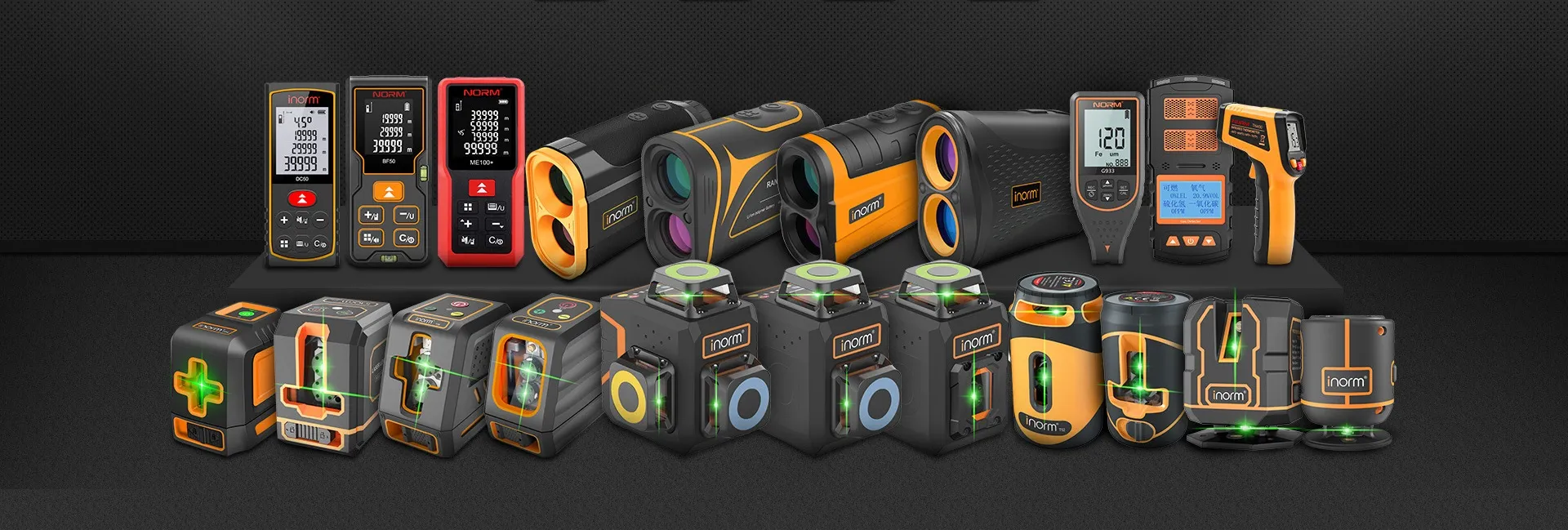
Why Laser Levels Must Stay in a High-Temperature Chamber: The Importance of Metal Stress Relief
When manufacturing high-precision laser levels, accuracy is everything. Even a tiny structural deformation inside the device can affect horizontal and vertical calibration. One of the most important — yet often overlooked — production processes is placing the laser level inside a high-temperature chamber for a period of time before final calibration and testing.
The main purpose of this process is metal stress relief.
In this article, we explain why internal metal stress matters, how temperature treatment improves accuracy, and why professional laser level manufacturers rely on this procedure.
What Is Metal Stress in a Laser Level?
Laser levels contain many metal structural components, such as:
- Aluminum frames
- Mounting brackets
- Internal support structures
- Pendulum assemblies
- Precision adjustment parts
During machining, CNC processing, stamping, or assembly, these metal parts develop internal stress.
Although the metal may look perfectly stable from the outside, microscopic internal forces remain trapped inside the material.
Over time, these stresses can slowly release naturally, causing:
- Slight deformation
- Structural movement
- Angle deviation
- Calibration drift
For ordinary products, this may not matter. But for laser levels, even a tiny movement can affect measurement accuracy.
Why High Temperature Helps Release Metal Stress
High-temperature conditioning accelerates the natural stress-relief process inside metal components.
When laser levels are placed inside a controlled high-temperature chamber:
- Metal molecules become more active
- Internal stress redistributes
- Weak deformation points appear early
- Structural movement stabilizes before calibration
In simple terms, the manufacturer is forcing the product to “settle” before it reaches the customer.
Without this process, the laser level may gradually deform after weeks or months of use, especially in hot environments or during transportation.
How Metal Stress Affects Laser Level Accuracy
Laser levels require extremely precise alignment between:
- The laser module
- The pendulum system
- Optical components
- Internal frame structure
If internal metal parts shift even slightly, the laser line may no longer remain perfectly level or vertical.
This can lead to:
- Reduced leveling precision
- Inconsistent calibration
- Visible line deviation at long distances
- Customer complaints and returns
For example, a structural shift of only 0.1 mm can create noticeable measurement errors over several meters.
That is why stress relief is critical for professional-grade laser levels.
Why Manufacturers Perform High-Temperature Aging Before Calibration
Professional manufacturers usually perform thermal aging before final calibration because calibration done before stress release may become inaccurate later.
The typical process is:
- Assemble the laser level
- Place the product in a high-temperature chamber
- Allow internal metal stress to release
- Let the structure stabilize
- Perform final precision calibration
- Conduct accuracy testing
This ensures the calibration remains stable during long-term use.
Difference Between Professional and Low-Cost Laser Levels
Many low-cost laser levels skip proper thermal aging and stress-relief procedures to save:
- Production time
- Equipment cost
- Energy consumption
As a result, some products may initially pass inspection but gradually lose accuracy after use.
Professional manufacturers invest in stress-relief treatment because long-term stability is essential for:
- Construction professionals
- Engineering projects
- Precision installation work
- Industrial applications
This is one of the hidden differences between industrial-quality laser levels and cheaper alternatives.